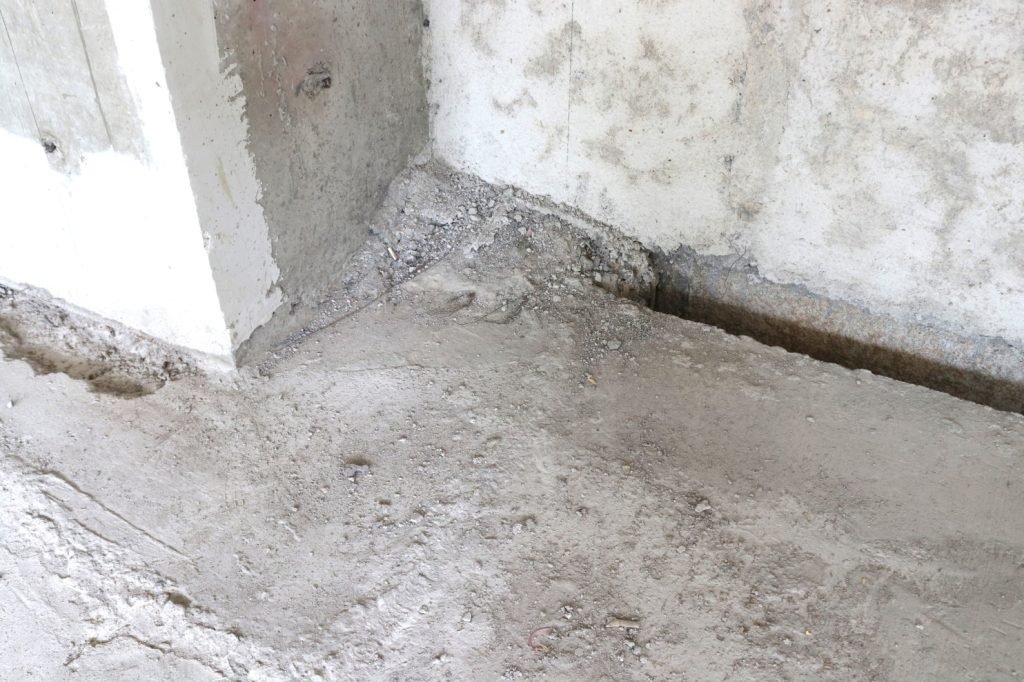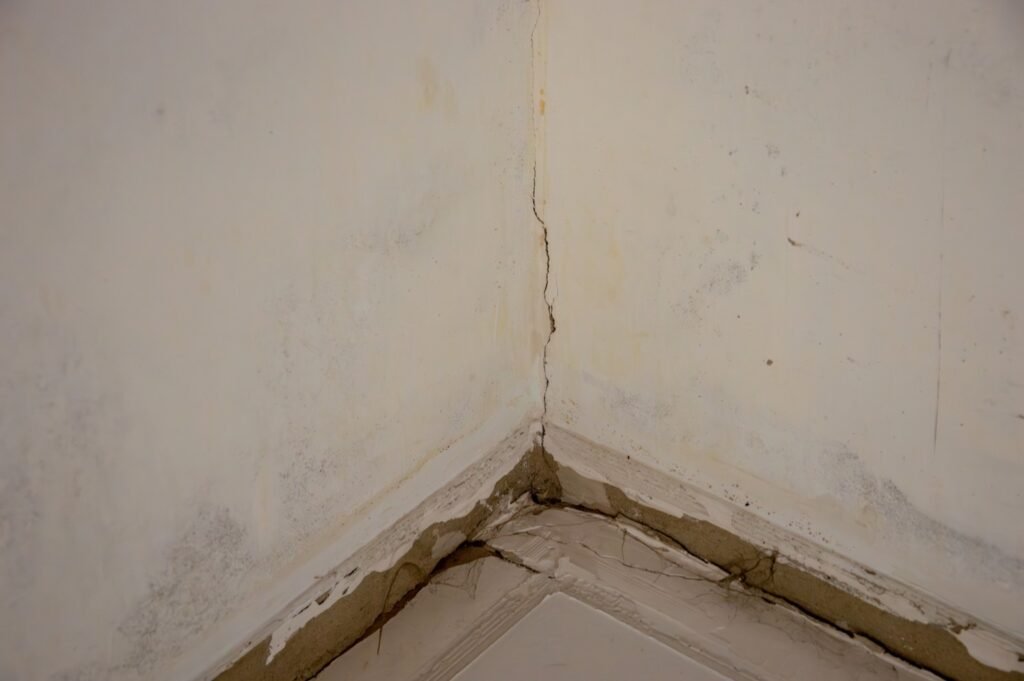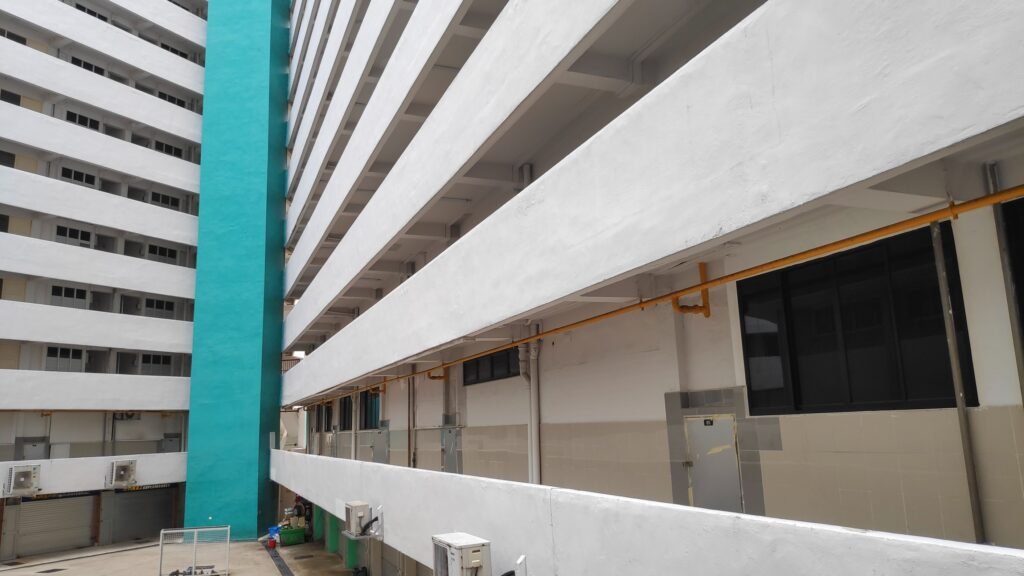
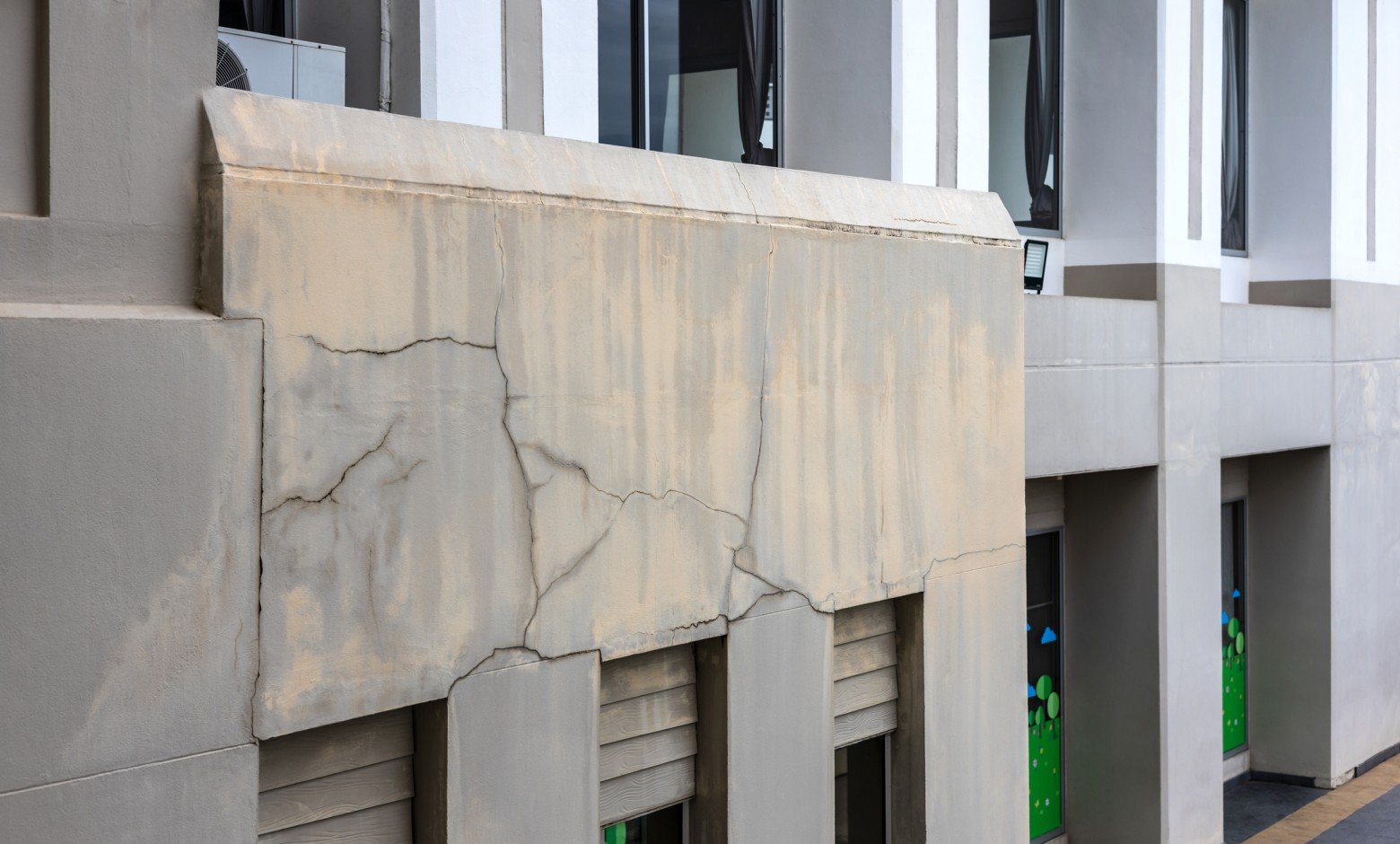
A periodic facade inspection is more than a regulatory requirement for ageing buildings in Singapore. It is an opportunity to identify defects before they become safety hazards or lead to costly repair works. However, many building owners, MCSTs (Management Corporation Strata Title), and property managers receive inspection reports filled with technical terms that can be difficult to interpret. Understanding the most common facade defects helps owners prioritise repairs, plan maintenance budgets, and make informed decisions about rectification works.
Why Understanding Periodic Facade Inspection Findings Matters
Not every defect identified during a periodic facade inspection requires immediate action. Some defects can be monitored over time, while others demand urgent rectification due to safety concerns.
Not All Defects Carry the Same Risk
A hairline crack on an external wall may require monitoring, while loose concrete or detached facade elements can present an immediate danger to pedestrians and occupants. Understanding the severity of each defect allows building owners to allocate maintenance budgets more effectively.
How Small Defects Become Larger Repair Problems
Many major facade repairs begin as minor defects. Moisture penetration, surface cracking, and deteriorating finishes can gradually worsen when left unattended. As discussed in our article on Periodic Structural Inspection in Singapore: What Property Owners Often Miss Before It’s Too Late, early intervention is often significantly more cost-effective than large-scale rectification later.
What Happens After Defects Are Identified
Once defects are identified, owners may need:
- Further investigation
- Repair planning
- PE Endorsement for specific rectification works
- Coordination with an experienced building contractor
The next step depends largely on the severity and location of the defect.
Defect 1: Spalling Concrete
Spalling concrete is one of the most common issues highlighted during a periodic facade inspection.
What Spalling Concrete Looks Like
Typical signs include:
- Detached concrete surfaces
- Rust stains
- Exposed reinforcement bars
- Loose concrete fragments
Why It Happens
Spalling concrete usually occurs when moisture reaches embedded steel reinforcement. As the steel corrodes, it expands and places pressure on the surrounding concrete, eventually causing it to crack and break away.
When Immediate Repair Is Recommended
Spalling concrete should be prioritised when:
- Concrete pieces are loose
- Public walkways are affected
- Reinforcement steel is exposed
For a deeper understanding of recurring concrete deterioration, see our article on Why Spalling Concrete Repairs Keep Failing in Singapore Buildings.
Defect 2: Façade Cracks
Not all cracks are equally serious, but they are among the most frequently reported defects.
Common Types of Cracks Found During Inspection
Inspectors often identify:
- Hairline cracks
- Vertical cracks
- Diagonal cracks
- Settlement-related cracks
Which Cracks Require Further Investigation
Cracks that widen over time or allow water ingress may indicate more significant underlying issues.
What Inspectors Usually Assess
A periodic facade inspection typically evaluates:
- Crack width
- Crack pattern
- Location
- Potential movement
These factors help determine whether monitoring or repair is necessary.
Defect 3: Water Ingress and Moisture Damage
Water ingress is frequently underestimated because much of the damage occurs behind the visible surface.
Why Water Ingress Is Often Underestimated
Moisture may travel through small facade openings for years before visible signs appear.
Typical Signs Found During a Periodic Facade Inspection
| Sign | Possible Cause |
| Damp patches | Water penetration |
| Efflorescence | Moisture migration through masonry |
| Discolouration | Persistent moisture exposure |
| Paint blistering | Trapped moisture |
Why Moisture Problems Often Lead to Larger Repairs
When moisture enters the facade system, it can contribute to:
- Corrosion
- Spalling concrete
- Internal wall damage
- Premature deterioration of finishes
Many rectification projects under Structural & Building Works begin with moisture-related defects.
Defect 4: Concrete Debonding and Delamination
Concrete debonding is a common technical term found in inspection reports.
What Concrete Debonding Means
Concrete debonding occurs when layers of concrete lose adhesion to each other, creating hollow or unstable sections.
How Inspectors Detect It
Common assessment methods include:
- Visual inspection
- Tapping or sounding tests
- Close-up facade examination
Why It Can Become a Safety Issue
Debonded concrete may eventually detach from the building facade if left untreated, creating a safety risk for surrounding areas.
Defect 5: Loose Render and Surface Finishes
External finishes deteriorate over time due to weather exposure and ageing materials.
Common Causes
Loose render may result from:
- Moisture penetration
- Ageing substrates
- Poor previous repairs
- Thermal movement
Warning Signs Building Owners Should Watch For
Look out for:
- Bulging surfaces
- Hollow sounds
- Cracked finishes
- Surface separation
When Repairs Should Be Prioritised
Repairs become more urgent when loose finishes are located:
- Above pedestrian pathways
- Near entrances
- On high-rise facades
Defect 6: Corrosion of Reinforcement Steel
Corrosion is one of the most damaging facade defects because it often develops unseen.
Why Corrosion Is Often Hidden
Steel reinforcement sits inside concrete, making corrosion difficult to detect until visible symptoms appear.
Signs That Corrosion May Be Present
Common indicators include:
- Rust staining
- Concrete cracking
- Bulging concrete surfaces
- Spalling concrete
How Corrosion Accelerates Deterioration
The corrosion process creates internal expansion pressure that weakens surrounding concrete and accelerates structural deterioration.
Defect 7: Failed Sealants and Joint Deterioration
Sealants play an important role in protecting building facades from moisture intrusion.
Why Sealants Matter
Sealants help:
- Prevent water ingress
- Accommodate building movement
- Protect facade joints
Common Signs of Failure
Inspectors often report:
- Shrinkage
- Cracking
- Joint separation
- Loss of elasticity
Consequences of Delayed Replacement
Failed sealants can allow water to penetrate the facade system, contributing to moisture-related defects and future repair costs.
Which Periodic Facade Inspection Findings Require Immediate Attention
Not every defect demands urgent action, but certain findings should be prioritised.
High-Risk Defects
Immediate attention is often recommended for:
- Spalling concrete
- Loose facade elements
- Severe corrosion
- Significant water ingress
Defects That May Be Monitored
Some defects can be monitored through regular maintenance reviews, including:
- Minor hairline cracks
- Early-stage sealant deterioration
- Superficial finish defects
When PE Endorsement May Be Required
Depending on the findings of a periodic facade inspection, PE Endorsement may be required for rectification plans involving structural elements or significant facade repairs.
What Building Owners Should Do After Receiving a Facade Inspection Report
Receiving a report is only the beginning of the maintenance process.
Review Defect Severity Carefully
Focus first on:
- Safety risks
- Moisture-related deterioration
- Structural concerns
Plan Rectification Before Deterioration Worsens
Early repairs often reduce:
- Repair costs
- Building disruption
- Future maintenance liabilities
For high-rise buildings, rope access is frequently used to carry out inspections and targeted facade rectification works efficiently.
Work With Experienced Contractors
An experienced building contractor can help interpret inspection findings, prioritise repairs, and coordinate long-term maintenance strategies.
Understanding Inspection Findings Helps Prevent Larger Repair Costs
Regular periodic facade inspection programmes help building owners identify deterioration early, prioritise repairs, and avoid more extensive repair costs in the future. By understanding common findings such as spalling concrete, water ingress, concrete debonding, and reinforcement corrosion, property owners can make more informed maintenance decisions.
If your building requires facade rectification or maintenance support, explore more solutions through the Ample Building Services homepage or reach out via the Contact Us page for practical guidance on your next steps.