Screeding work is one of the most important yet overlooked stages of any flooring installation. While property owners often focus on the final flooring finish, many flooring problems actually begin beneath the surface. Poor screeding work can lead to hollow tiles, recurring cracks, uneven floors, and moisture-related issues that become increasingly expensive to rectify over time. Understanding the warning signs early can help property owners in Singapore avoid larger repair costs and determine whether the problem lies with the flooring, tiling, plumbing, or underlying substrate.
Why Screeding Work Plays a Critical Role in Flooring Performance
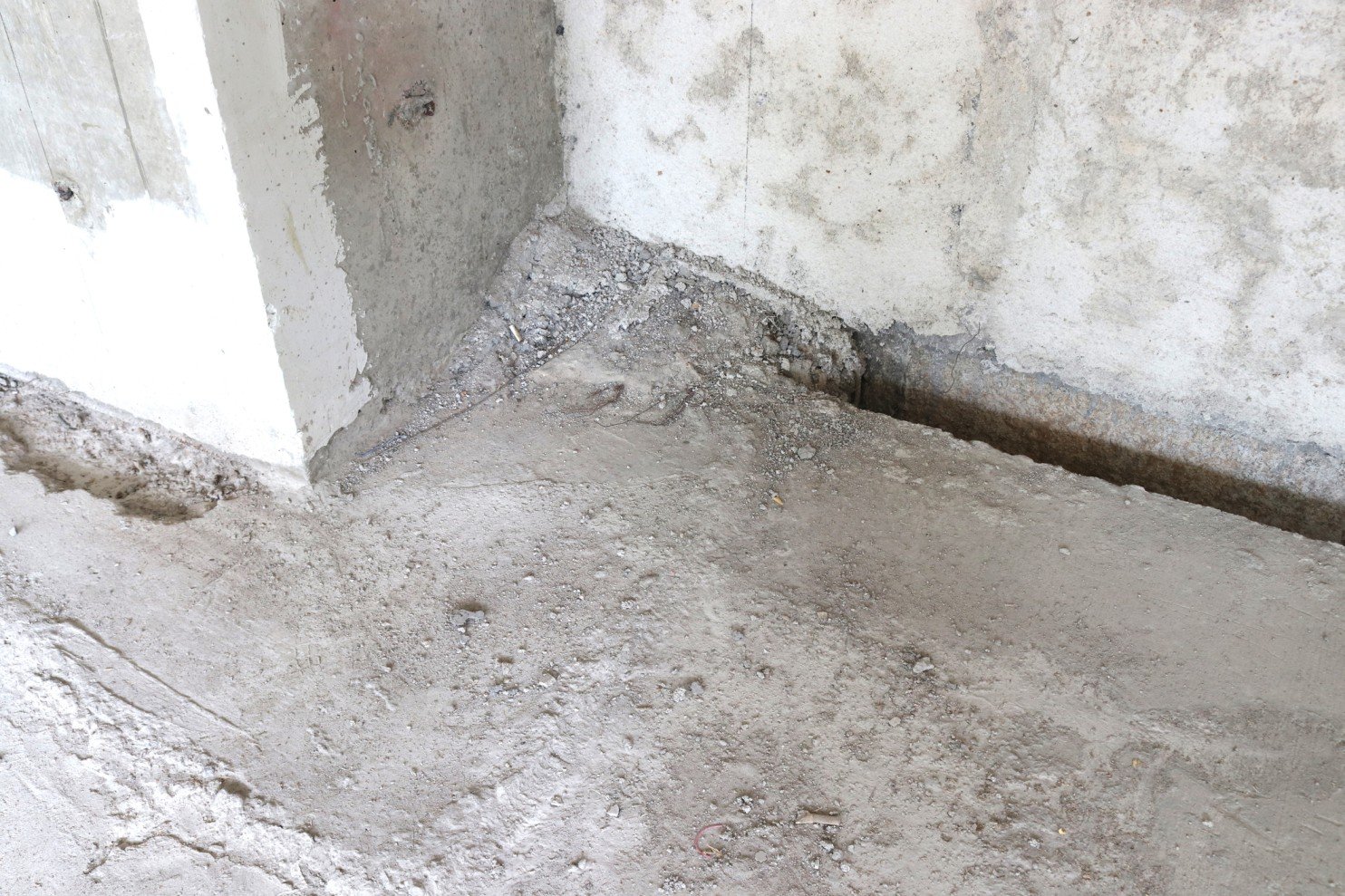
A properly installed screed layer creates a level and stable base that supports the finished flooring. Whether the final finish consists of tiles, vinyl, or other materials, the performance of the floor depends heavily on the quality of the screeding work beneath it.
What Screeding Work Is Designed to Achieve
The primary purpose of screeding work is to:
- Create a level surface for flooring installation
- Support long-term flooring durability
- Provide suitable floor gradients in wet areas
- Minimise movement beneath flooring finishes
When screeding work is rushed or poorly executed, defects may not appear immediately. In many cases, problems only become noticeable months after renovation or repair works are completed.
Why Flooring Problems Often Start Beneath the Surface
Many flooring defects are symptoms rather than root causes. While cracked or loose tiles may appear to be installation issues, the underlying screed layer may actually be responsible. This is why experienced contractors often investigate below the flooring surface before recommending repairs.
Sign 1: Hollow Tiles Are Appearing Across the Floor
Hollow tiles are one of the most common indicators of underlying screed problems.
Why Hollow Tiles Often Indicate Screed Problems
A hollow sound when tapping tiles may suggest:
- Poor screed bonding
- Screed debonding from the substrate
- Inadequate curing
- Weak support beneath the tile layer
The problem often affects larger areas rather than isolated tiles.
How Tiling Contractors Diagnose Hollow Flooring
An experienced tiling contractor will typically conduct tapping tests and assess whether the hollow areas are localised or widespread. Large affected areas often indicate that the issue extends beyond the tile adhesive and into the screed layer itself.
When Tile Replacement Alone Is Not Enough
Replacing individual tiles may temporarily improve appearance, but if the screed beneath remains defective, the same issue may reappear. In some cases, more extensive reinstatement services may be required to address the root cause.
Sign 2: Cracks Keep Reappearing After Repairs
Recurring cracks are another warning sign that the underlying flooring system may be unstable.
Why Surface Repairs Often Fail
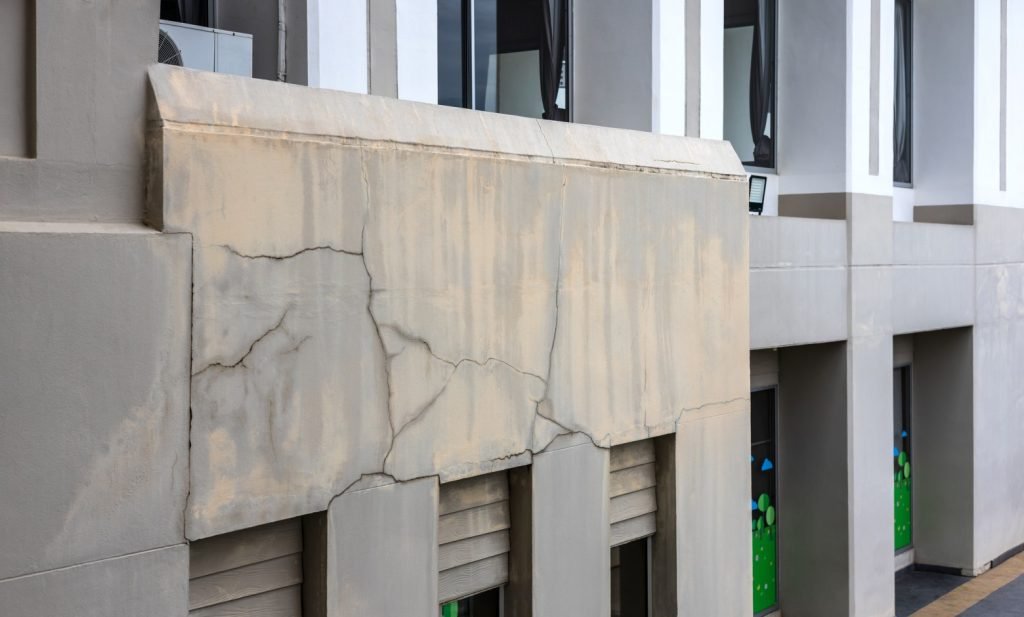
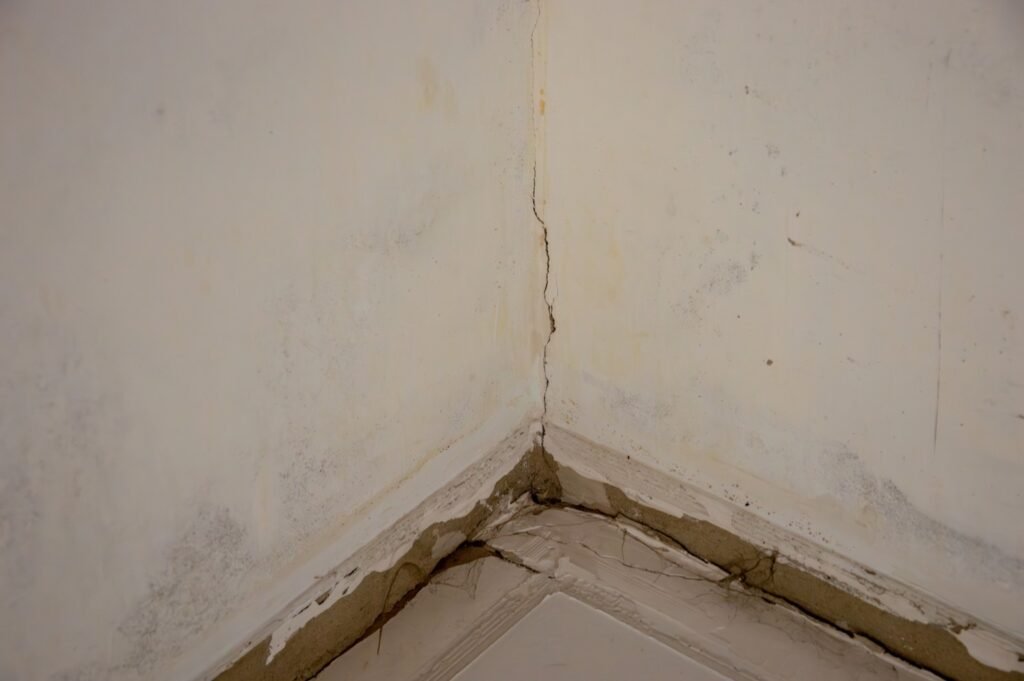
When cracks repeatedly return after patching, the source of the movement may be located within the screed layer rather than the surface finish. Repairing only the visible crack often fails to address the underlying problem.
Common Types of Screed Cracking
| Crack Type | Possible Cause |
| Hairline Cracks | Shrinkage during curing |
| Long Linear Cracks | Structural movement |
| Random Cracking | Poor screeding work or curing issues |
When Reinstatement Services May Be Required
If cracking becomes widespread, property owners may need more extensive rectification works. As discussed in our article on 5 Signs Your Building Needs Reinstatement Services After Renovation, recurring defects often indicate that deeper repair works are required.
Sign 3: Water Ponding Appears After Cleaning or Rain
Floor ponding is often overlooked but can be a strong indicator of poor screeding work.
Why Proper Floor Gradients Matter
Floors in bathrooms, balconies, and wet areas should direct water towards drainage points. Even minor errors during screeding work can affect how water flows across the surface.
How Poor Screeding Work Causes Floor Ponding
Common causes include:
- Uneven floor levels
- Incorrect floor gradients
- Inconsistent screed thickness
These defects may only become apparent when water remains on the floor after cleaning or rainfall.
Why Ponding Water Creates Bigger Problems
Persistent water accumulation can lead to:
- Slip hazards
- Moisture migration
- Premature flooring deterioration
- Increased maintenance requirements
Sign 4: Tiles Begin Lifting or Becoming Uneven
Uneven flooring can indicate movement occurring beneath the finished floor surface.
What Tile Lippage Means
Tile lippage refers to uneven tile heights where one tile edge sits higher than the adjacent tile. While some lippage may result from installation issues, movement in the screed layer can also contribute to the problem.
How Screeding Problems Affect Tile Alignment
Poor screeding work may cause:
- Uneven support beneath tiles
- Floor settlement
- Tile movement over time
These issues become more noticeable as the flooring ages.
What Flooring Contractors in Singapore Usually Check
An experienced flooring contractor Singapore property owners engage will typically assess:
- Floor flatness
- Moisture levels
- Screed condition
- Tile alignment consistency
These checks help determine whether the flooring or the screed layer is responsible for the defect.
Sign 5: Damp Patches Keep Returning Without Visible Leaks
Persistent dampness can indicate problems that are not immediately visible on the surface.
Why Moisture Can Travel Beneath Flooring
Moisture migration occurs when water moves through flooring systems below the visible surface. This may happen due to:
- Screed defects
- Waterproofing issues
- Concealed plumbing leaks
When Plumbing Services Should Be Considered
In some situations, the flooring itself is not the primary issue. Professional plumbing services may be required to investigate concealed leaks before flooring repairs begin.
Why Flooring Defects and Plumbing Problems Are Often Connected
Water weakens bonding materials and can contribute to screed deterioration over time. If moisture remains present, flooring defects often continue returning despite repeated repairs.
Repair or Replace? When Flooring Problems Require Major Rectification
Not every flooring defect requires complete replacement.
When Localised Repairs May Be Sufficient
Minor repairs may be appropriate when:
- Defects are isolated
- The screed remains stable
- Moisture problems are absent
When Full Reinstatement Services Are Recommended
More extensive reinstatement services may be necessary when:
- Screed debonding affects large areas
- Flooring instability is widespread
- Moisture issues persist
Why Early Action Reduces Repair Costs
Addressing flooring problems early often reduces:
- Material wastage
- Labour costs
- Occupant disruption
- Future maintenance requirements
Understanding Screeding Problems Helps Prevent Costly Flooring Repairs
Poor screeding work often remains hidden until flooring defects begin appearing. Hollow tiles, recurring cracks, water ponding, uneven flooring, and persistent dampness are all warning signs that the problem may originate beneath the surface.
By identifying these issues early, property owners can avoid more extensive repair costs and improve the long-term performance of their flooring systems. If you require support with flooring rectification, maintenance, or repair planning, explore the solutions available through Ample Building Services or reach out via the Contact Us page for practical guidance from an experienced building maintenance contractor.