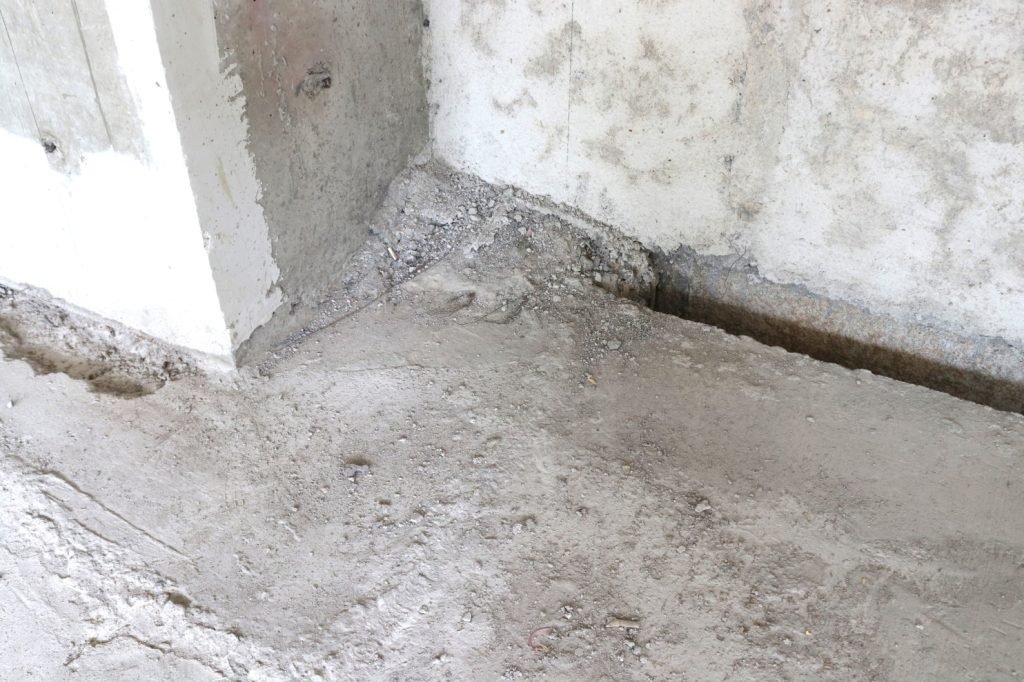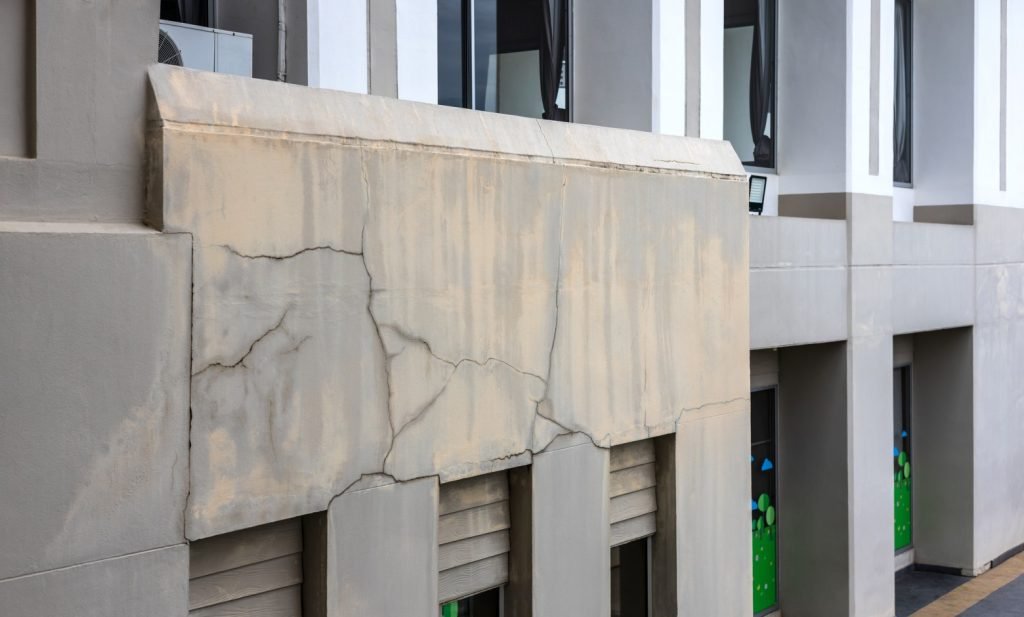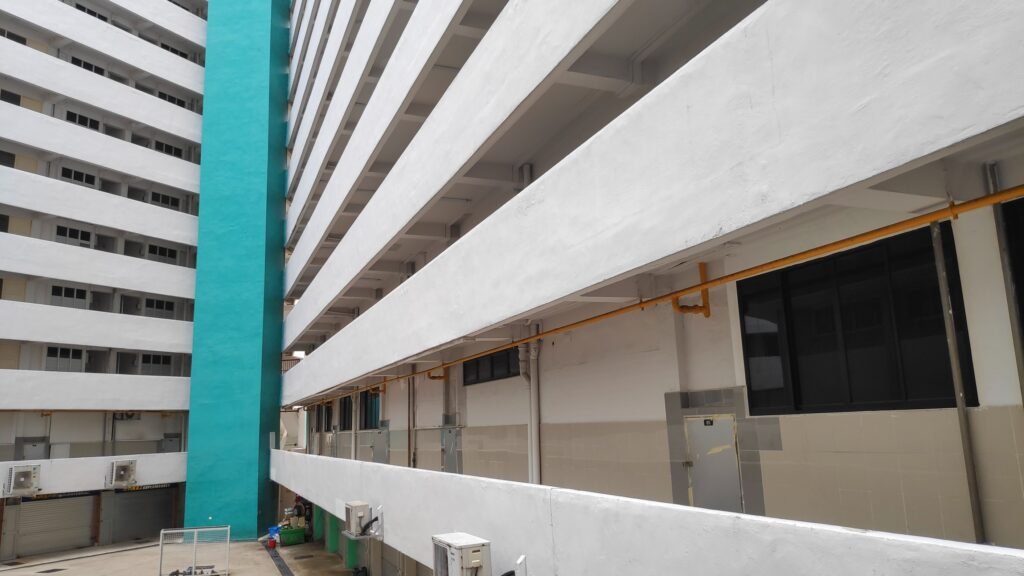
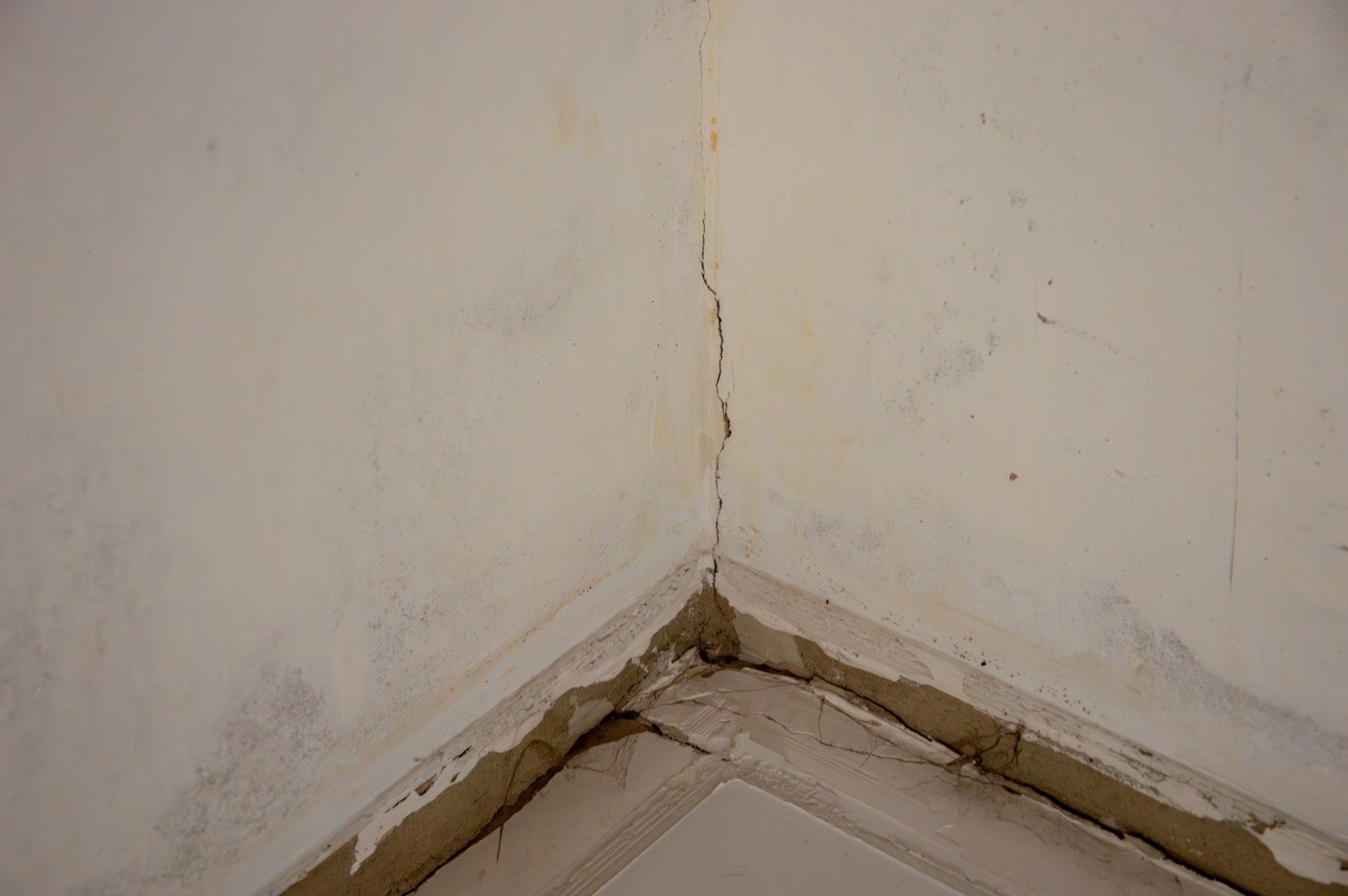
Reinstatement services are often treated as the final cosmetic stage after renovation or repair works, but poor reinstatement can create long-term maintenance issues that become expensive to rectify later. In Singapore buildings, problems such as uneven flooring, hollow tiles, poor screeding work, and concealed moisture issues often appear only after occupants start using the space again. Whether the works involve flooring replacement, plumbing repairs, or wall rectification, proper reinstatement planning plays an important role in ensuring durability, safety, and long-term building condition.
Why Reinstatement Quality Matters More Than Many Property Owners Realise
Reinstatement work affects more than appearance. Many property owners assume reinstatement services only involve repainting or surface restoration, but in reality, the work often includes flooring restoration, wall patching, screeding work, tile replacement, and plumbing-related rectification. When these works are not coordinated properly, hidden maintenance problems may start developing beneath the surface long after renovation or repair works are completed.
Poor reinstatement can lead to hollow flooring sections, uneven floor levels, trapped moisture, and premature cracking that become more expensive to rectify later. As discussed in our article on Maintenance & Repairs Singapore: Your Trusted Partner for M&E Services, long-term building performance depends heavily on proper repair planning rather than short-term patching work. For ageing residential and commercial buildings in Singapore, well-executed reinstatement services help reduce repeated hacking, future flooring repairs, and recurring moisture-related deterioration.
Sign 1: Uneven Flooring After Reinstatement Works
Uneven flooring is one of the clearest signs that reinstatement work was not properly executed.
Why uneven flooring often indicates poor screeding work
Proper screeding work creates a level and stable flooring base. If the screed layer is uneven or poorly cured, the finished flooring surface may become inconsistent over time.
Common causes include:
- Weak substrate preparation
- Incorrect floor levelling
- Inconsistent screed thickness
How flooring irregularities worsen over time
Initially, uneven flooring may appear minor. However, over time it can lead to:
- Tile movement
- Water ponding in wet areas
- Premature flooring wear
- Cracking near joints
This is especially common in bathrooms, kitchens, and service areas where moisture exposure is higher.
What flooring contractors in Singapore should properly assess
An experienced flooring contractor Singapore property owners engage should assess:
- Floor flatness
- Drainage slope
- Material compatibility
- Moisture condition before installation
Without proper preparation, reinstatement problems tend to reappear quickly.
Sign 2: Hollow or Cracked Tiles Appearing Shortly After Completion
Tile defects are among the most common complaints after reinstatement works.
Why hollow tiles are a common reinstatement issue
Hollow tiles usually indicate weak bonding beneath the surface. This can happen due to:
- Poor adhesive application
- Inadequate curing time
- Uneven substrate preparation
Over time, hollow sections become vulnerable to cracking and detachment.
How poor tile installation creates future repair costs
Poor installation often results in:
- Tile cracking
- Surface instability
- Water penetration beneath tiles
- Additional hacking and replacement work
These problems increase maintenance costs significantly when left unresolved.
What a tiling contractor should check before installation
A reliable tiling contractor should evaluate:
- Surface moisture condition
- Tile spacing consistency
- Adhesive suitability
- Floor level alignment
For wet areas and high-traffic spaces, proper preparation becomes even more important.
Sign 3: Water Ponding or Persistent Dampness
Persistent moisture after reinstatement usually indicates deeper problems beneath the surface.
How poor screeding work affects drainage
Incorrect floor gradients caused by poor screeding work may prevent water from draining properly.
This often leads to:
- Water ponding
- Damp flooring
- Moisture retention near corners
- Long-term waterproofing issues
Why dampness after reinstatement should not be ignored
Persistent dampness may indicate:
- Trapped moisture beneath finishes
- Waterproofing failure
- Hidden plumbing leakage
Over time, this can damage flooring materials and surrounding surfaces.
When plumbing services may be required
In some cases, moisture problems are linked to concealed pipe leakage rather than surface defects alone. This is where proper plumbing services become necessary to identify and rectify hidden water-related issues before reinstatement continues.
For moisture-prone areas, services under Wet Works are often involved to improve long-term durability.
Sign 4: Visible Patch Marks and Uneven Surface Finishes
Poor finishing quality often becomes noticeable only after the space is fully occupied.
Why poor surface reinstatement affects durability
Weak finishing layers may deteriorate quickly when:
- Surface preparation is incomplete
- Moisture remains trapped beneath finishes
- Plaster bonding is inconsistent
This affects both appearance and long-term durability.
Common finishing problems after repair works
Property owners commonly notice:
- Uneven paint texture
- Surface waviness
- Visible patch marks
- Inconsistent wall colour
These issues often suggest rushed reinstatement work.
Why proper surface preparation matters
Proper preparation improves:
- Finish durability
- Moisture resistance
- Surface stability
- Overall workmanship quality
For buildings undergoing broader restoration works, services such as Repairs & Redecoration / Repainting may also be required after reinstatement.
Sign 5: Frequent Rectification Works After Renovation
Repeated repair requests shortly after project completion are often signs of poor coordination and incomplete reinstatement planning.
Why repeated touch-ups are a warning sign
Frequent rectification works may indicate:
- Incomplete reinstatement services
- Poor sequencing between trades
- Low workmanship quality
- Unresolved moisture-related issues
These problems usually increase long-term maintenance costs.
How poor contractor coordination affects reinstatement quality
When flooring, plumbing, and finishing works are poorly coordinated:
- Moisture may remain trapped beneath surfaces
- Flooring materials may deteriorate faster
- Defects become more difficult to rectify later
An experienced general contractor will typically coordinate multiple trades carefully to reduce these risks.
Why experienced general contractors improve long-term results
As explained in our guide on How to Choose the Right General Contractor for Your Project in Singapore, experienced contractors focus not only on completing works quickly, but also on long-term durability and workmanship consistency.
This is particularly important for reinstatement projects involving multiple repair scopes.
Practical Checks Before Accepting Completed Reinstatement Works
Before accepting completed works, property owners should carry out several basic checks.
What property owners should inspect visually
Key areas to inspect include:
- Tile alignment consistency
- Floor level evenness
- Paint and plaster finishing
- Visible cracks or hollow sounds
Questions to ask before handover
Important questions include:
- Was moisture testing conducted?
- Was sufficient curing time allowed?
- Were damaged substrates repaired properly?
When defects should be rectified immediately
Immediate rectification should be requested if:
- Water ponding appears
- Hollow flooring sounds are present
- Cracks appear shortly after completion
Early correction helps prevent more extensive reinstatement work later.
Long-Term Reinstatement Starts with Proper Planning
Poor reinstatement work often creates maintenance problems that only become visible months after renovation or repair works are completed. Uneven flooring, moisture retention, hollow tiles, and repeated rectification issues are usually signs that underlying preparation or coordination was insufficient.
For buildings in Singapore, proper reinstatement services require more than surface restoration alone. Through careful planning, proper screeding work, coordinated plumbing and finishing works, and experienced contractor supervision, property owners can reduce recurring issues and improve long-term durability. If you are planning rectification or restoration works, you can explore more solutions through the Ample Building Services homepage or reach out via the Contact Us page for practical maintenance guidance.