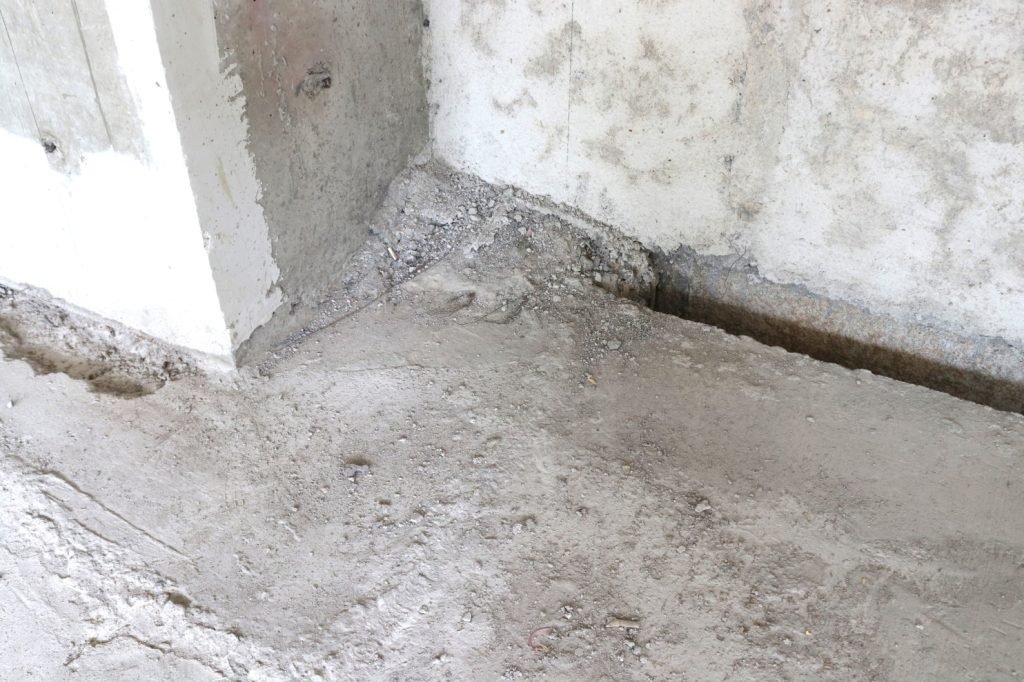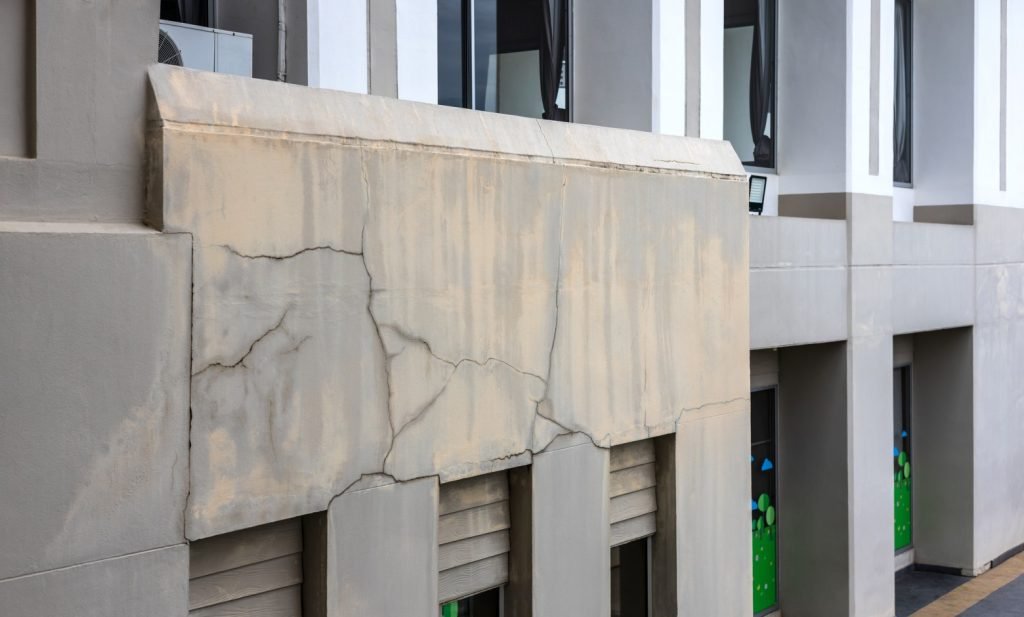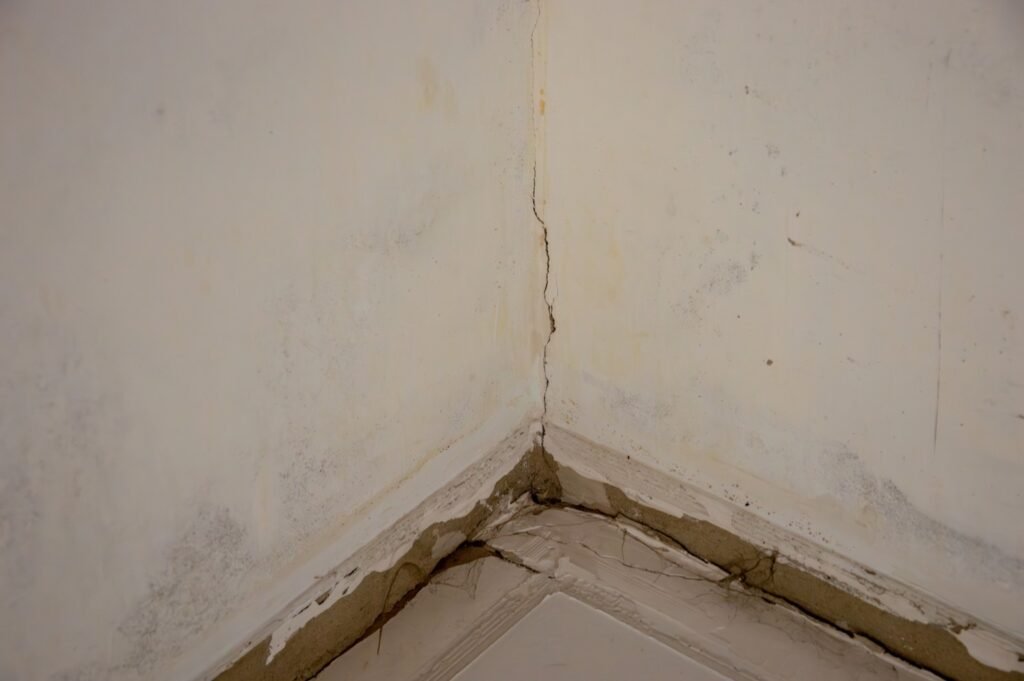
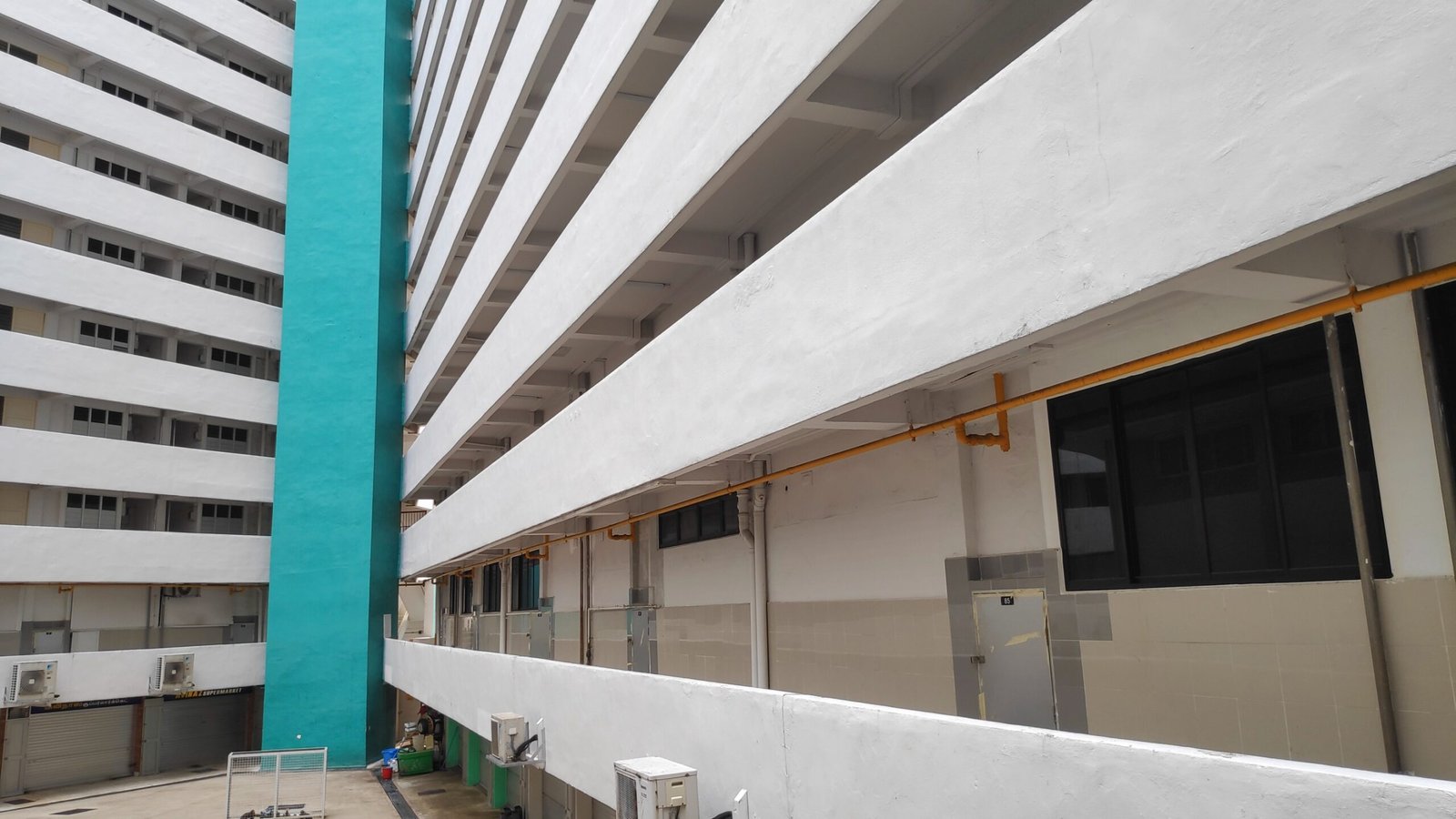
Spalling concrete is one of the most common building defects found in ageing properties across Singapore. While repairs may appear effective initially, many problems return within a few years because the root causes are never fully addressed. Moisture intrusion, hidden corrosion, façade deterioration, and incomplete rectification are some of the most common reasons repairs fail repeatedly, especially in older residential and commercial buildings.
Why Spalling Concrete Keeps Returning After Repair
Many spalling concrete repairs fail because only the visible damage is repaired while deeper structural issues continue developing internally.
Why surface patching alone is often not enough
Some repair works focus only on patching cracked or detached concrete surfaces without resolving the source of moisture penetration. Although the repaired area may look restored, corrosion can continue behind the surface.
Over time:
- Water reaches reinforcement steel again
- Corrosion expands internally
- New cracks begin to appear
- Spalling concrete returns in nearby areas
This is why repeated patching alone rarely provides a long-term solution.
How moisture continues damaging concrete internally
Moisture is one of the main causes of recurring spalling concrete problems in Singapore buildings.
| Stage | What Happens |
| Water intrusion | Moisture enters through cracks or weak façade areas |
| Corrosion begins | Steel reinforcement starts rusting |
| Expansion occurs | Corroded steel expands internally |
| Concrete weakens | Surface cracks and hollow areas develop |
| Spalling concrete appears | Concrete begins detaching |
For buildings with recurring leakage issues, services like Water Leakage Solutions are often necessary to reduce long-term moisture exposure.
Why recurring repairs increase long-term costs
Repeated repair works can become increasingly expensive due to:
- Additional hacking and patching
- Expanded repair areas
- More extensive reinstatement services
- Higher labour and access costs
As discussed in maintenance and repairs in Singapore, preventive maintenance planning is often more cost-effective than repeated reactive repairs.
What Actually Causes Spalling Concrete in Singapore Buildings
Singapore’s climate creates conditions that accelerate concrete deterioration, especially in high-rise and ageing buildings.
How Singapore’s climate accelerates deterioration
Constant humidity and frequent rain exposure allow moisture to penetrate concrete surfaces over time. Buildings exposed to direct weather conditions are more vulnerable to cracking and corrosion, particularly when waterproofing systems begin deteriorating.
Older developments near coastal areas may deteriorate even faster due to higher salt exposure in the environment.
Common structural conditions that lead to spalling concrete
Several conditions commonly contribute to spalling concrete:
- Façade cracks allowing water penetration
- Poor drainage near slab edges
- Ageing waterproofing systems
- Incomplete previous repair works
Many of these issues become visible only after deterioration has progressed internally.
Why older buildings are more vulnerable
Older buildings often experience:
- Ageing façade materials
- Delayed maintenance cycles
- Long-term exposure to moisture
Without proper inspection and maintenance, deterioration gradually spreads behind the concrete surface before obvious damage appears.
Why Some Spalling Concrete Repairs Fail Within a Few Years
Not all repair methods are designed for long-term performance.
Incorrect diagnosis before repair
One of the most common mistakes is treating only the visible concrete damage while ignoring hidden corrosion and moisture entry points.
An experienced building contractor will usually assess:
- Extent of internal corrosion
- Structural condition around affected areas
- Water intrusion sources
Without proper assessment, repairs become temporary rather than preventative.
Using unsuitable repair methods
Some repairs fail because unsuitable materials or methods are used.
Common problems include:
- Weak bonding between old and new concrete
- Poor surface preparation
- Temporary patching solutions
Over time, these repaired sections begin deteriorating again.
Lack of proper waterproofing protection
Concrete repairs without proper moisture protection are more likely to fail repeatedly. This is where an experienced waterproofing contractor becomes important, particularly for buildings exposed to continuous rain and façade seepage.
Services under Structural & Building Works are often involved when moisture-related deterioration affects larger sections of the structure.
The Link Between Facade Defects and Spalling Concrete
Façade deterioration is closely linked to recurring spalling concrete issues, especially in older high-rise developments.
How façade cracks allow water penetration
Small façade cracks may appear harmless initially, but they often become entry points for moisture. Over time, water travels through these pathways and reaches the reinforcement steel within the concrete.
This eventually leads to:
- Internal corrosion
- Surface cracking
- Concrete detachment
Why periodic facade inspection matters
Regular periodic facade inspection helps identify early warning signs before major deterioration develops.
Inspection typically identifies:
- Hollow concrete areas
- Surface cracks
- Water seepage pathways
- Loose façade materials
For buildings requiring rectification planning, Periodic Structural / Facade Inspection and Rectification (PSI/PFI) services help detect defects earlier and reduce long-term repair costs.
Warning signs property owners should not ignore
Common warning signs include:
- Rust stains on concrete surfaces
- Bulging concrete
- Peeling paint near façade areas
- Persistent dampness around walls or ceilings
These signs often indicate deeper structural deterioration.
Why Waterproofing Plays a Bigger Role Than Most Owners Realise
Water intrusion is one of the biggest contributors to recurring spalling concrete defects.
How moisture causes recurring deterioration
When water repeatedly enters repaired areas:
- Corrosion restarts internally
- Concrete weakens over time
- Cracks reopen and spread
This creates an ongoing deterioration cycle.
When a waterproofing contractor should be involved
A waterproofing contractor is often necessary when:
- Persistent water seepage continues
- Roof slab leakage is present
- External façade moisture problems remain unresolved
Without moisture control, repaired areas often deteriorate again.
Why integrated repair planning matters
Long-term rectification usually requires coordination between:
- Structural repair works
- Waterproofing treatment
- Reinstatement services
- Surface restoration
This ensures repairs remain more durable over time.
The Role of a Building Contractor in Long-Term Rectification
Long-term repair success depends heavily on proper diagnosis, planning, and coordination.
What experienced building contractors assess
An experienced building contractor will usually evaluate:
- Structural safety concerns
- Extent of corrosion
- Moisture intrusion pathways
- Repair accessibility requirements
As highlighted in our guide on how to choose the right general contractor for your project in Singapore, proper diagnosis is often the difference between temporary repairs and long-term rectification.
Why coordination improves repair quality
When repair works are coordinated properly:
- Moisture-related issues are addressed earlier
- Repair sequencing becomes more efficient
- Reinstatement services can be planned more effectively
This helps reduce recurring repair cycles and unnecessary maintenance costs.
Why reinstatement services matter after repair
After rectification works are completed, reinstatement services are often required to restore affected surfaces.
This may include:
- Surface patching
- Ceiling repair
- Repainting
- Finishing restoration
Long-Term Concrete Repairs Start with Correct Diagnosis
Spalling concrete is often a sign of deeper moisture intrusion and internal deterioration rather than just surface damage. Without proper diagnosis and moisture control, repairs are more likely to fail repeatedly over time.
With regular periodic facade inspection and proper rectification planning, property owners can reduce recurring defects and extend the lifespan of their buildings. To explore more building maintenance solutions, visit the Ample Building Services homepage or reach out through the Contact Us page for practical repair guidance.