PU grouting is often recommended for ceiling leaks in Singapore, but many property owners are unsure whether it is the right solution or if waterproofing would be more effective. In practice, the issue is not about choosing one method over the other, but identifying the root cause of the leak first. Misdiagnosis is one of the most common reasons leaks keep returning, leading to repeated repairs and unnecessary costs.
In Singapore’s dense residential environment, ceiling leaks can originate from structural cracks, failed waterproofing systems, or plumbing defects, and understanding when PU grouting or waterproofing is appropriate helps avoid recurring problems.
Why Ceiling Leaks in Singapore Are Often Misdiagnosed
Ceiling leaks are frequently treated as surface-level problems, which leads to incorrect repair methods being applied.
Common assumptions about waterproofing
Many property owners assume that any leak requires a waterproofing contractor. While waterproofing is important, it is not always the correct solution. Applying a waterproofing layer without addressing the actual source of leakage often results in the issue returning.
Different sources of water intrusion
Leaks can originate from several causes:
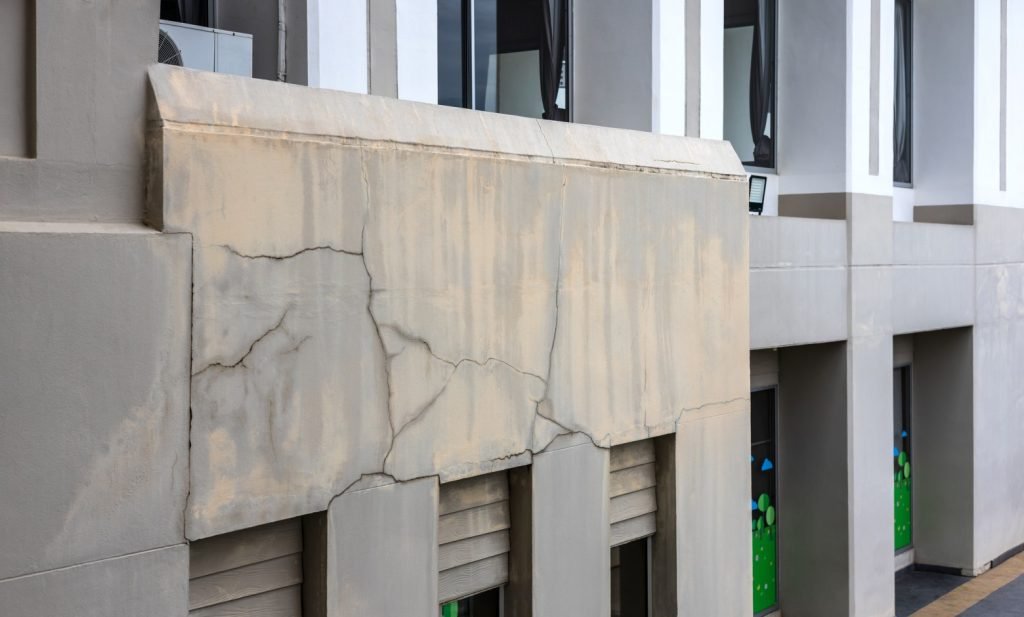
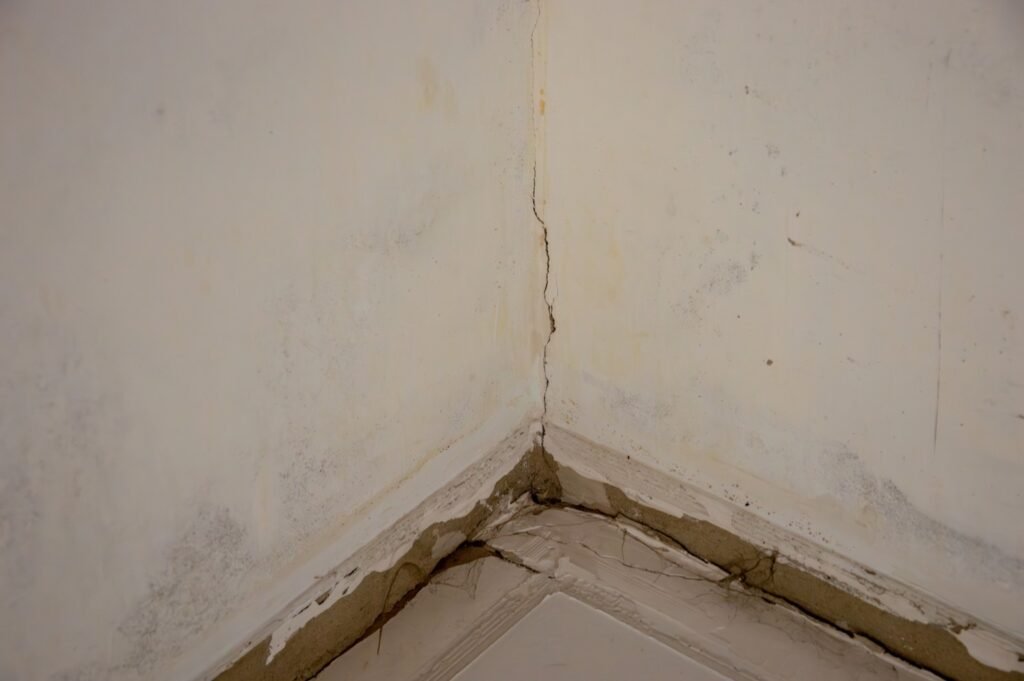
- Structural cracks in concrete slabs
- Failed or aged waterproofing membranes
- Pipe leakage requiring plumbing services
Each cause requires a different repair approach. Treating all leaks the same way often leads to ineffective results.
Why misdiagnosis leads to recurring leaks
When the root cause is not identified:
- Repairs only address visible symptoms
- Water continues to seep through hidden pathways
- Costs increase due to repeated work
This is why proper assessment is more important than choosing a repair method.
What PU Grouting Actually Does and When It Works
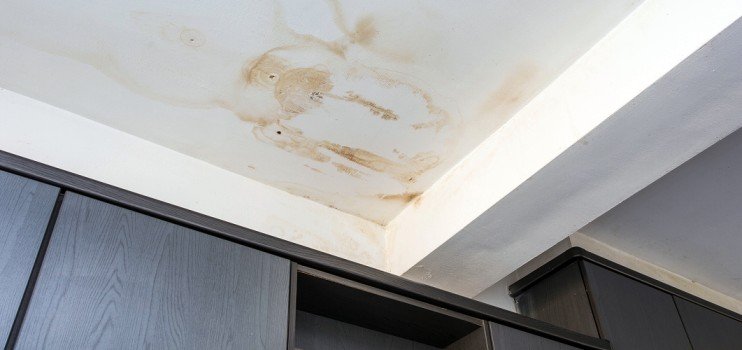
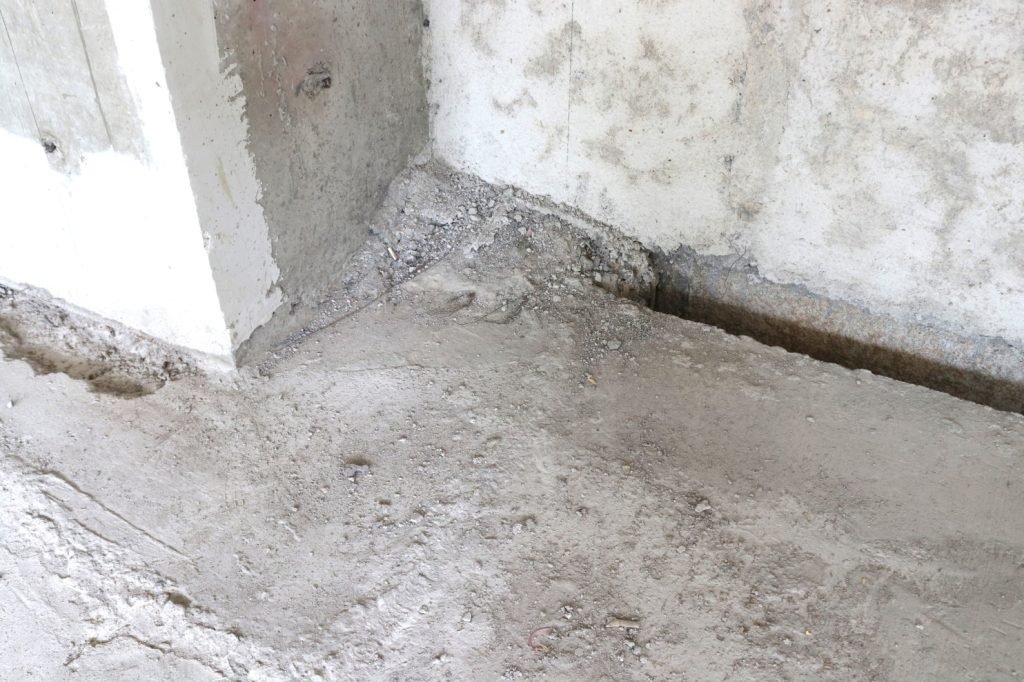
PU grouting is a targeted repair method designed to stop active water leakage through concrete cracks.
How PU grouting works
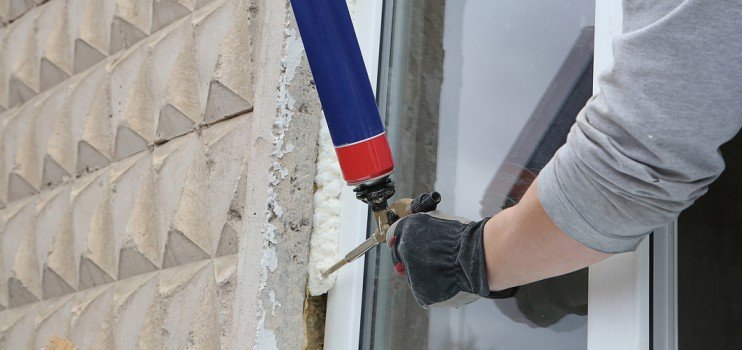
PU grouting involves injecting polyurethane material into cracks within concrete. Once injected, the material expands and reacts with water, forming a seal that blocks the flow of water.
Best use cases for PU grouting
PU grouting is effective when:
- There is active leakage through cracks
- Water is seeping through slab joints
- The issue is localised rather than widespread
In many ceiling leak cases, PU grouting provides a fast and efficient solution without requiring major surface work. In some situations, minor reinstatement services may still be required to restore finishes after the repair.
When PU grouting is not suitable
PU grouting may not be effective when:
- The waterproofing layer has failed across a large area
- The issue is related to surface membrane deterioration
- There is widespread water penetration rather than a specific crack
In such cases, waterproofing may be the more appropriate solution.
What Waterproofing Solves and Its Limitations
Waterproofing focuses on preventing water from entering the structure, rather than stopping it internally.
Role of a waterproofing contractor
A waterproofing contractor applies protective membranes to surfaces such as roofs, balconies, and bathrooms. This helps prevent water from penetrating the structure over time.
When waterproofing is the right solution
Waterproofing is suitable for:
- Roof slabs exposed to rain
- Wet areas such as bathrooms
- External walls with surface exposure
Limitations of waterproofing
Despite its benefits, waterproofing has limitations:
- It does not seal internal cracks
- It often requires hacking and surface preparation
- It may not stop active leakage already within the structure
This is why waterproofing alone may not resolve certain ceiling leak issues.
PU Grouting vs Waterproofing: Key Differences
Understanding the difference between PU grouting and waterproofing helps avoid incorrect repair decisions.
Comparison of both methods
| Factor | PU Grouting | Waterproofing |
| Purpose | Seal internal cracks | Prevent surface water entry |
| Method | Injection | Surface application |
| Hacking required | No | Often required |
| Best for | Active leaks | Preventive protection |
| Speed | Fast | Longer process |
Which is more cost-effective
Cost depends on the situation:
- PU grouting is typically more cost-effective for localised leaks
- Waterproofing is more suitable for long-term preventive protection
Choosing the correct method avoids repeated repairs and unnecessary expenses, including additional reinstatement services that may be needed if the wrong repair approach is used.
When You Actually Need Plumbing Services Instead
Not all ceiling leaks are structural. Some originate from plumbing systems.
Signs of plumbing-related leaks
- Leakage continues regardless of weather
- Water flow increases when taps are used
- Persistent dampness near pipe routes
Why plumbing issues are often misidentified
Plumbing leaks can look similar to structural leaks, leading to confusion. Without proper diagnosis, property owners may carry out PU grouting or waterproofing unnecessarily.
In such cases, engaging plumbing services is the correct first step.
How Spalling Concrete Is Linked to Water Leakage
Water intrusion does not just cause leaks. Over time, it can lead to structural damage such as spalling concrete.
How it develops
When water penetrates concrete:
- It reaches steel reinforcement
- Steel begins to corrode
- Expansion causes concrete to crack and break
Why this should not be ignored
Spalling concrete is more than a surface issue. It indicates ongoing deterioration within the structure. Addressing leakage early helps prevent more extensive repairs later.
The Role of a Building Contractor in Diagnosing the Right Solution
Choosing between PU grouting and waterproofing depends heavily on proper diagnosis.
Why diagnosis matters
Applying the wrong method:
- Does not solve the problem
- Leads to recurring leakage
- Increases long-term costs
What an experienced building contractor looks for
A reliable contractor will assess the source of water intrusion, the structural condition of the slab, and whether the issue is plumbing-related. Working with an experienced team like Ample Building Services helps ensure that the correct diagnosis is made from the start, reducing the risk of recurring leaks and unnecessary repairs.
- Source of water intrusion
- Structural condition of the slab
- Whether the issue is plumbing-related
As discussed in our guide on how to choose the right general contractor for your project in Singapore, selecting the right contractor plays a key role in achieving effective and lasting repairs.
Practical Decision Guide: PU Grouting or Waterproofing
Making the right decision depends on understanding the situation clearly.
Use PU grouting if
- Leakage is coming through cracks
- The issue is localised
- Active water seepage is present
Use waterproofing if
- A large surface area is affected
- Preventive protection is required
- The waterproofing layer has failed
When both methods are needed
In some cases:
- Structural cracks and surface failure occur together
- PU grouting stops active leakage
- Waterproofing prevents future issues
Fixing the Root Cause Prevents Recurring Leaks
Ceiling leaks are rarely as straightforward as they appear. The key to solving them lies in identifying the root cause rather than applying a standard solution. Whether it is PU grouting, waterproofing, or plumbing repair, the right method depends on accurate assessment.
By addressing the issue correctly from the start, property owners can avoid repeated repairs and unnecessary costs. If you are unsure whether PU grouting or waterproofing is the right solution, you can reach out via the Contact Us page to get a proper assessment of your situation. PU grouting is effective when used in the right context, but it should always be part of a properly diagnosed solution to ensure long-term results.