Periodic structural inspection is a critical requirement for buildings in Singapore, yet many property owners and MCSTs (Management Corporation Strata Title) still treat it as a routine compliance task. From our experience, inspections often uncover early-stage issues such as spalling concrete, façade deterioration, and hidden structural defects that can develop into serious problems if left unattended.
When approached correctly, alongside periodic facade inspection and proper PE endorsement, inspections become a practical way to manage long-term building condition rather than just fulfilling regulatory requirements.
Why Periodic Structural Inspection in Singapore Is Not Just a Compliance Task
Periodic structural inspection is required for ageing buildings, but it should be seen as part of ongoing maintenance rather than a one-off obligation. In Singapore’s climate, moisture and environmental exposure can gradually weaken structural elements without obvious signs.
From a maintenance standpoint, regular inspection helps to:
- Identify issues early before they worsen
- Prevent safety risks such as falling concrete
- Reduce the likelihood of major repair works
- Maintain consistent building performance
Property owners who take a proactive approach often avoid the higher costs associated with delayed repairs. In many cases, issues like spalling concrete could have been addressed earlier with simpler solutions.
Periodic Structural Inspection vs Periodic Facade Inspection
It is common for property owners to confuse periodic structural inspection with periodic facade inspection, but both serve different functions and should be understood clearly.
What periodic structural inspection covers
- Structural components such as beams, slabs, and columns
- Load-bearing systems and internal integrity
- Signs of deterioration within the structure
What periodic facade inspection focuses on
- External walls, finishes, and cladding
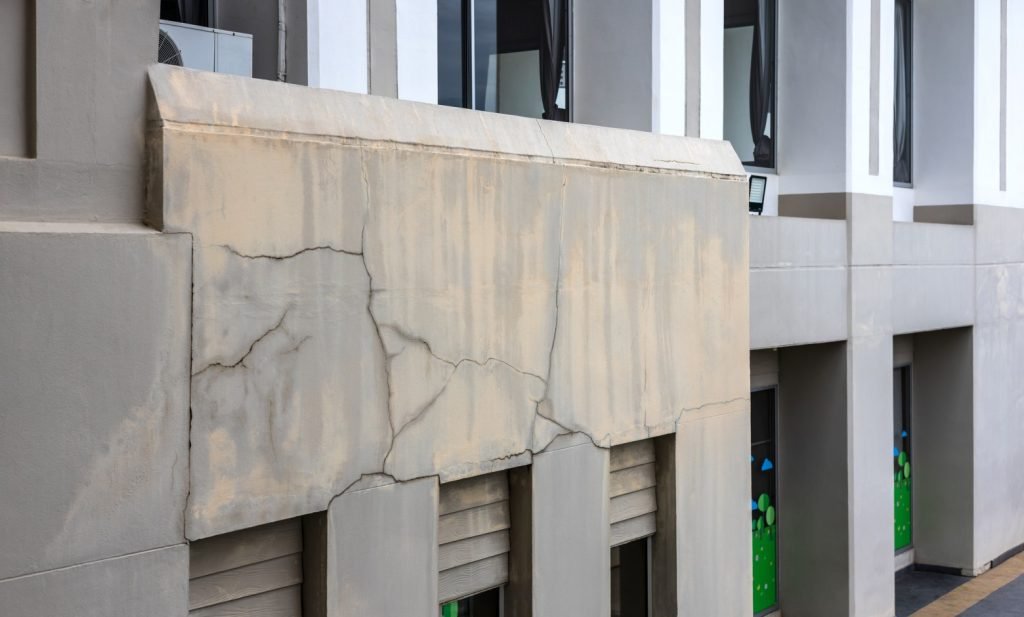
- Surface cracks and loose materials
- Potential falling hazards
In practice, façade issues are sometimes the first visible sign of deeper structural concerns. This is why both types of inspections are often linked and should be reviewed together.
Common Issues Found During Periodic Structural Inspection
Over time, certain issues appear repeatedly during periodic structural inspection, especially in older buildings.
Spalling concrete and what it indicates
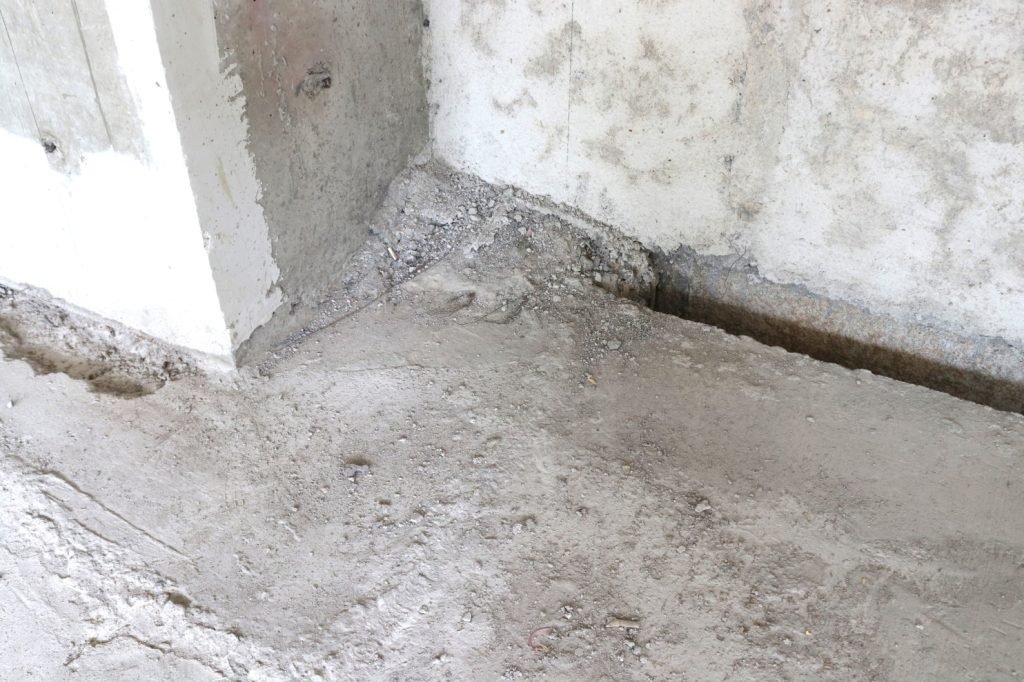
Spalling concrete is one of the most frequent issues identified. It occurs when steel reinforcement corrodes and expands, causing the concrete to crack and break away.
This usually points to:
- Long-term moisture exposure
- Internal structural deterioration
- Increased safety risk if not addressed
Cracks and structural warning signs
Cracks are common, but their severity varies.
- Hairline cracks are typically minor and monitored
- Structural cracks may require immediate repair and PE endorsement
Water-related structural impact
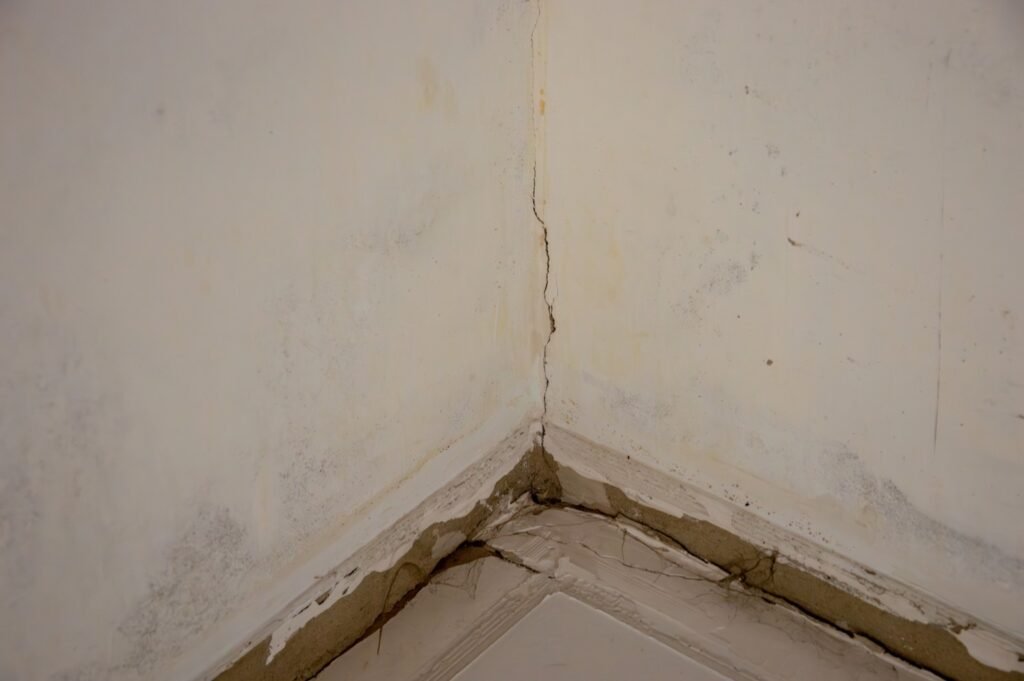
Water seepage is often mistaken as a plumbing issue. However, in many cases, it is linked to structural defects.
Common signs include:
- Ceiling stains
- Damp walls
- Deterioration along slab edges
For buildings experiencing persistent leakage, services like Water Leakage Solutions can help address both the symptoms and underlying structural causes.
When PE Endorsement Becomes Critical
PE endorsement is an essential part of the inspection and repair process in Singapore. It ensures that findings and rectification works meet regulatory and safety standards.
Situations requiring PE endorsement
- Structural defects are identified
- Major repair works are required
- Safety concerns are present
Why PE endorsement matters
- Confirms compliance with local regulations
- Ensures repair methods are appropriate
- Reduces liability risks for property owners
Working with experienced teams such as Ample Building Services ensures proper coordination between contractor and Professional Engineer, which helps avoid delays during both inspection and repair stages.
Why Rope Access Is Commonly Used in Inspections
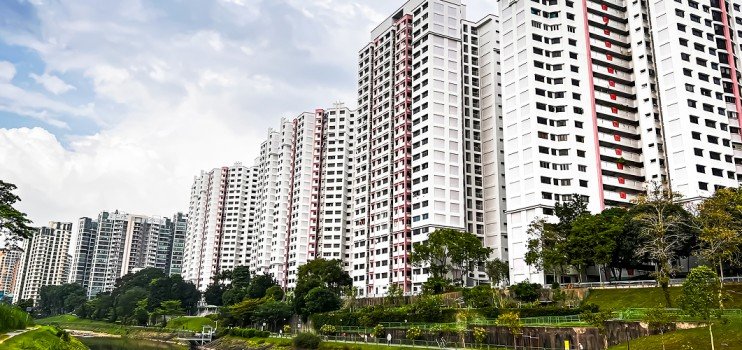
Rope access is widely used in Singapore for both periodic structural inspection and periodic facade inspection, particularly for high-rise buildings.
Advantages of rope access
- Faster and more flexible than scaffolding
- Lower cost for inspection works
- Suitable for buildings with limited access
- Minimal disruption to occupants
When rope access is preferred
- High-rise residential or commercial buildings
- Targeted inspection areas
- Locations where scaffolding is not practical
This method allows efficient inspection of difficult-to-reach areas without extensive setup.
The Role of a General Contractor in Inspection Preparation
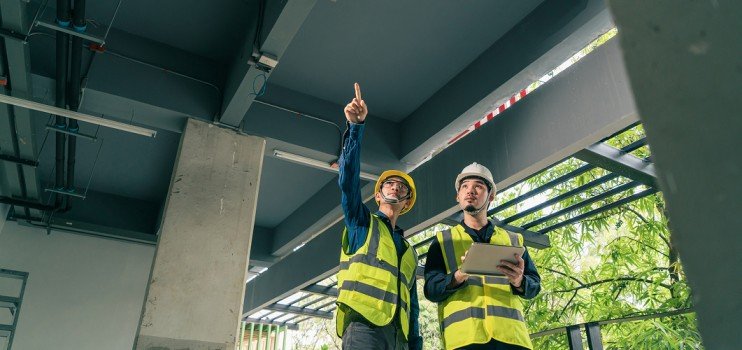
A general contractor plays a practical role in preparing buildings for periodic structural inspection, and selecting the right one is key, as explained in our guide on how to choose the right general contractor for your project in Singapore.
Before inspection
- Carry out visual checks for defects
- Address minor issues early
- Prepare access for inspection
During inspection
- Coordinate with engineers and inspectors
- Manage site logistics
- Ensure smooth workflow
After inspection
- Plan and prioritise rectification works
- Coordinate PE endorsement
- Execute repairs efficiently
Engaging support through Maintenance & Repairs helps ensure that the building is properly prepared and reduces the likelihood of major issues during inspection.
What Happens After a Failed Structural Inspection
If a building does not meet inspection requirements, rectification works will be necessary. The scope depends on the severity of the defects identified.
Typical repair works
- Spalling concrete repair
- Crack injection works
- Waterproofing treatments
Typical process
- Inspection findings
- PE endorsement
- Repair works
- Final clearance
Cost considerations
- Early-stage repairs are more manageable
- Delayed repairs tend to expand in scope
- Severe structural damage leads to significantly higher costs
Addressing issues early helps keep repairs straightforward and cost-effective.
Choosing the Right Contractor for Structural Inspection Support in Singapore
Selecting the right contractor is important for both inspection preparation and repair execution, especially when working with teams experienced in general contractor services in Singapore.
What to look for
- Experience in building maintenance and repair
- Ability to identify structural issues accurately
- Familiarity with PE endorsement processes
- Strong coordination with engineers
Why this matters
A dependable contractor helps ensure that:
- Repairs are done correctly the first time
- Inspection requirements are met without delay
- Costs are managed effectively
Acting Early Makes Inspection and Maintenance More Manageable
In practice, buildings that are regularly checked and maintained tend to perform better over time and face fewer major issues. Addressing early signs such as cracks or spalling concrete allows repairs to remain manageable and cost-effective, rather than escalating into larger structural problems.
If your property is approaching its inspection cycle, it is advisable to plan ahead. You can start by reaching out via the Contact Us page to assess your building’s condition. Taking a proactive approach ensures smoother inspections and helps protect your property in the long run. Periodic structural inspection is not just about compliance, it is about maintaining safety, reliability, and long-term value.